

Housing

  • Almshouse

    How to house our older generations? United St Saviour’s experience of running a traditional almshouse convinced them of the benefits of independent but collective living in the city; they set the ambition to update this model for twenty-first century London. Facing the challenges of social isolation and dementia, but also the opportunities for an active…

  • Theresesgate

    Thereses gate is long and straight, sloping strongly up the bed of a now-buried stream. Like much of Oslo, it is lined with nineteenth century apartment buildings in earthy-coloured limewash whose design feels a little bit Parisian. The tobacco factory at number 31 is by contrast made up of three low brick and timber buildings…

  • Barbican Cromwell Tower

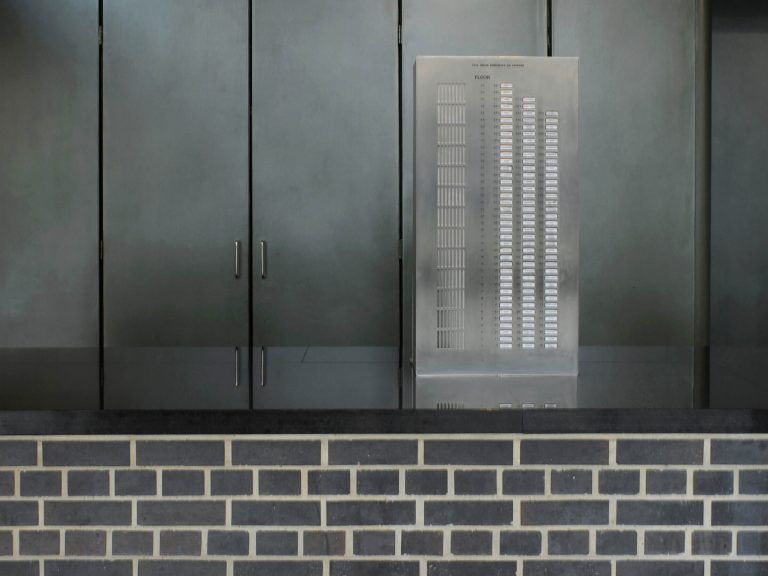
    We were selected by the residents to refurbish the entrance lobby and common room at the foot of this forty-two storey tower in the Barbican. In order to work with the crafted Brutalism of the original building, we researched original layouts and colours, and re-interpreted them. We stripped back later additions, revealing the bush-hammered concrete…

  • Northwest Cambridge

    If Cambridge University is to maintain its competitiveness, its postgraduate researchers have to be able to afford to live there, in attractive and sociable surroundings. That’s the motivation behind the plan to build 3,000 homes in the fields to the northwest of the city. We were commissioned by the University to design 27 apartments on…

  • Gistel

    The Flemish region is grappling with an increase in the number of households, an ageing population, the need to halt urban sprawl and challenges of affordability. Drawing together regional policy and local initiative, the town council and Woonwel housing association came up with a project for a backyard site in the centre of Gistel ,…

  • Catford Green

    This is the kind of site where London’s housing growth is being accommodated: a disused dog track on a long, narrow plot between two railway lines, cut up by a river and a sewer. The site had a number of advantages, too: it is near an existing town centre, beside two rail stations, and borders…

  • Ailsa Street

    The site is typical of London’s River Lea, occupied by scrapyards and waste recycling, cut off from the rest of Poplar by an urban motorway, and with a wide, muddy tidal creek running past. The London Development Agency commissioned us to produce a development framework to support a Compulsory Purchase Order procedure for the long-term…

  • Bow

    This part of East London has been a long time in the making, but still lacks a settled structure and identity. Philanthropic housing, post-war reconstruction and speculative development sit side-by-side with the remnants of industry along the Limehouse Cut. Equally, the patchwork network of streets and open spaces doesn’t engage with the canal, making this…